
Modern Workplace
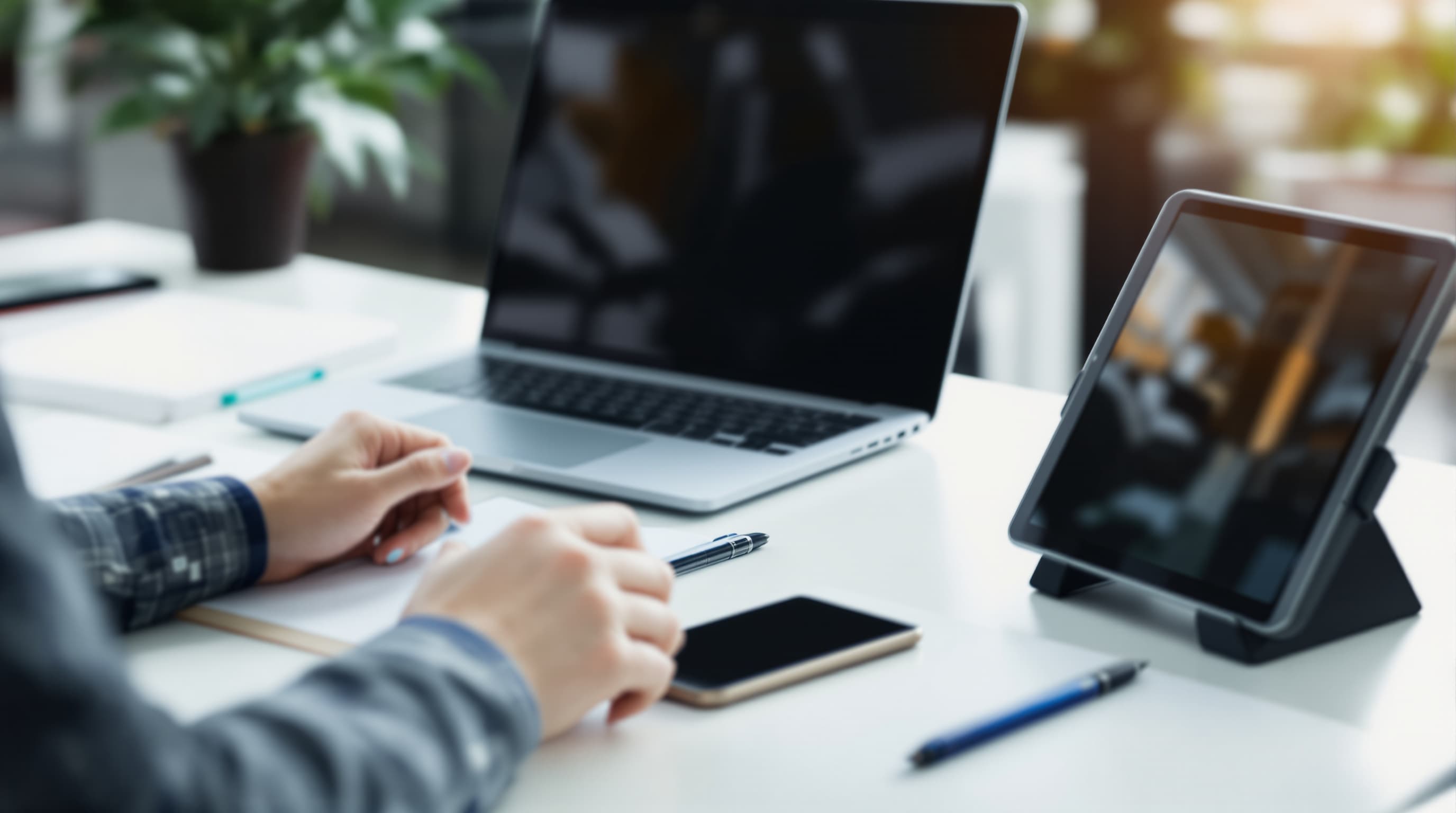
A Modern Workplace refers to a contemporary working environment tailored to the needs and requirements of today's working world.
IT Glossary
In brief
A 'modern workplace' (Modern Workplace) refers to a contemporary working environment tailored to the needs and requirements of today's working world. A modern workplace combines advanced technologies, flexible working methods, and a collaborative culture to improve employee productivity, efficiency, and satisfaction.
It is important to note that there are many other password managers on the market, and the choice depends on individual requirements and preferences.
What is a Modern Workplace?
The term 'modern workplace' can have different meanings depending on the industry, company, and region. Overall, however, it aims to adapt the working world to current demands and equip employees with the right resources to work successfully in an ever-changing business environment. It is characterised by flexibility, technology integration, collaboration, and cultural change.
Benefits of a Modern Workplace:
- Flexibility: Modern workplaces promote flexible working models, such as remote working, teleworking, and flexible working hours. Employees can work from various locations, which improves work-life balance.
- Collaboration: Collaboration is at the heart of a modern workplace. Companies use team collaboration tools, video conferencing, and messaging platforms to facilitate communication and collaboration between employees, regardless of their location.
- Security: In light of increasing threats from cyber attacks and data breaches, modern workplaces are equipped with robust security measures and data protection policies to ensure the confidentiality and integrity of corporate data.
- Mobility: Modern workplaces support employee mobility by providing mobile devices, laptops, and secure VPN access. This enables employees to carry out their work from different locations.
- Learning and development opportunities: Companies promote continuous training and professional development by providing employees with access to online learning platforms and resources.
- Flexibility in working hours: Modern workplaces often offer flexible working hour models, enabling employees to adapt their working hours to their personal needs.
What is the difference between a Modern Workplace and a Modern Workspace?
The term 'Modern Workplace' generally refers more to the technological aspects of the working environment. This includes the use of digital tools, software, cloud services, and communication platforms to improve working methods and efficiency. A modern workplace often focuses on optimising work processes and automating tasks to increase productivity.
Data security and compliance with data protection and security regulations are key aspects of a modern workplace to protect corporate data from threats. A modern workplace can also foster a change in corporate culture by emphasising flexibility, collaboration, and technological competence.
The term 'Modern Workspace' refers more to the physical working environment and the design of offices or workspaces. Here, the focus is on the spaces and facilities.A modern workspace is often designed to be used flexibly and offers an ergonomic layout to improve employee comfort and efficiency.
A modern workspace can aim to create a creative and innovative atmosphere that encourages collaboration and idea generation. The focus is on creating a space that meets the needs and requirements of employees in order to increase their satisfaction and productivity.
New Media Service GmbH offers these services in the area of Modern Workplace
Let us modernise your workplace together to ensure the future viability of your business. Contact us to find out more about the benefits of a Modern Workplace and how we can help you implement it.
What this becomes in a single company depends on working practices and existing systems. Our offering: modern workplace.
Solutions in a new dimension.
One conversation is enough to find out where IT, Microsoft Cloud and AI can take real weight off day-to-day business.
Your contact: Daniel Penninger, Managing Director